Nous utilisons des cookies sur notre site Web.
Certains d'entre eux sont nécessaires au fonctionnement du site
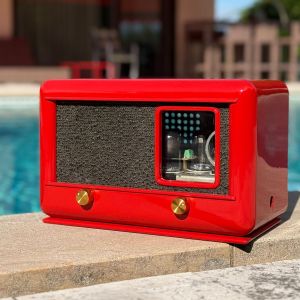
It all starts with a find. Every telephone or radio carries a story: an era, a use, sometimes even a mark of wear that tells of its past life. I look for pieces that deserve a new lease of life, with character and potential for transformation.
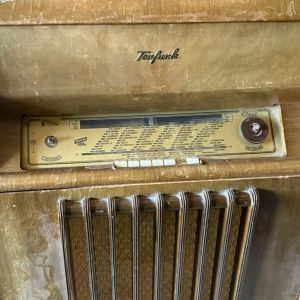
The object is stripped bare. Piece by piece, I remove dust and rust, inspect the materials and sort what can be kept from what must be replaced. It’s a delicate stage, where the old is already in conversation with the new.
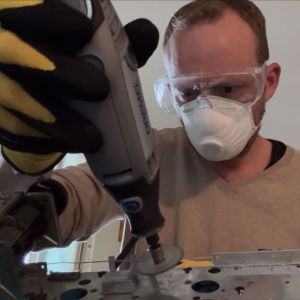
Once the shell is ready, I design its new heart. Electronic schematics, mechanical constraints and component choices come together to prepare a board made to fit its chassis perfectly.
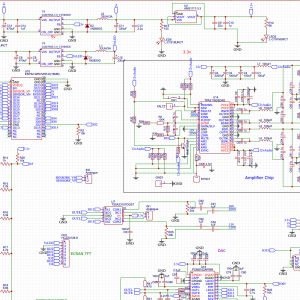
The circuit boards take shape: traces, copper layers, precise solder joints. These boards aren’t just technical; they’re also the workshop’s signature, designed to fit in without betraying the object.
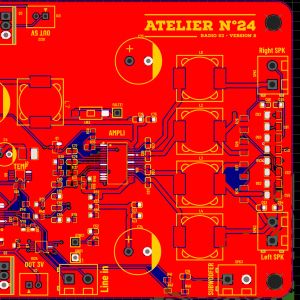
Before final integration, I test the fit and the connections. Adjustments, fixes, first power-ups… It’s a stage of conversation with the unexpected, where the project already comes to life.
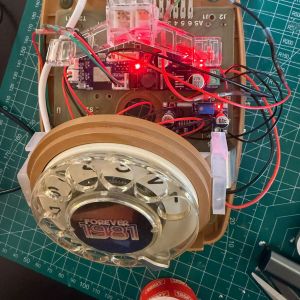
The electronics settle into the heart of the object. Buttons get their function back, dials come back to life, and every connection is carefully soldered. Old and new come together.
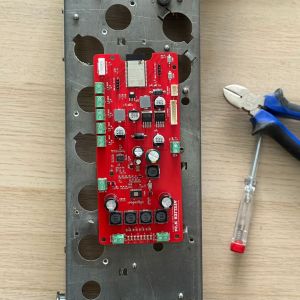
Every line of code defines a behaviour: a sound, a light, an interaction. The firmware is the invisible memory that turns a simple object into a singular, expressive piece.
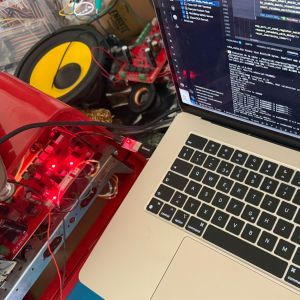
Everything is checked: power, audio, connectivity, buttons, LEDs. I adjust, I fix, I start again if need be. It’s the stage of patience and rigour that guarantees every piece is reliable.
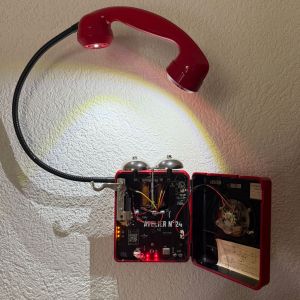
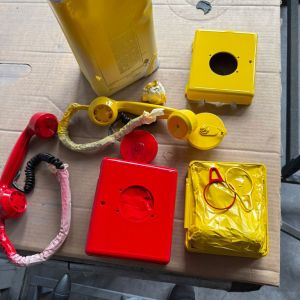
Once the structure is ready, it’s time for aesthetics. Depending on the object, I restore the original patina or offer a new finish: paint, varnish, polish. Past and present then come together.
Every object is named, signed and authenticated. The “Atelier N°24” label or the silkscreen print on the circuit board is a reminder that this is a handcrafted, one-of-a-kind creation, ready for a new life.